ATP Clay Season 2026: tournaments, players and what to expect
The ATP Tour shifts gears after the hard-court swing in North America, moving into one of the most demanding and fascinating phases of the season: the clay court campaign.
From the elegance of Monte Carlo to the intensity of Roland Garros, the clay season is where endurance, tactical intelligence and physical resilience become decisive factors. It is also a period that often reshapes the balance of power on the tour, favoring specialists while challenging even the biggest stars.
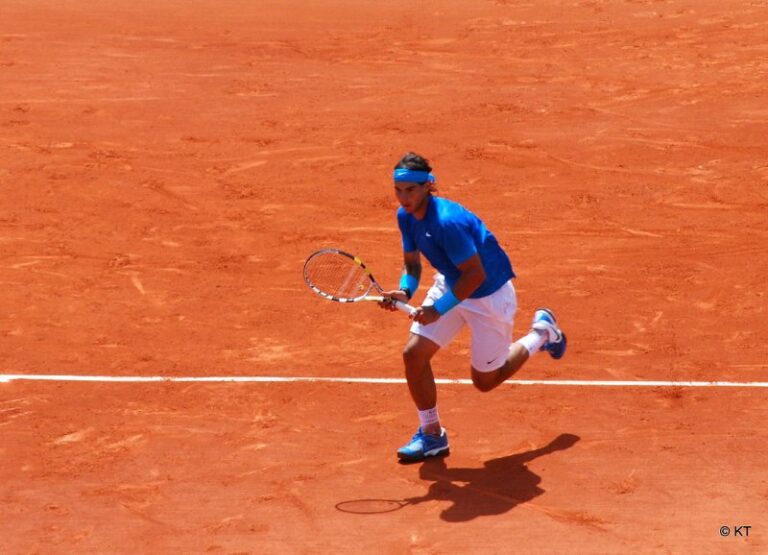
What defines the clay court season
Clay courts slow the game down significantly compared to hard or grass surfaces. The ball bounces higher, rallies last longer and points require patience rather than raw power.
Players must adapt:
- constructing points carefully;
- using heavy topspin;
- defending consistently.
Sliding, a key movement skill on clay, becomes essential, and matches often turn into physical battles.
ATP Clay Season 2026: full calendar
The European clay swing follows a structured progression, building towards the second Grand Slam of the year.
ATP 250 & 500 events:
- ATP250 Marrakech;
- ATP250 Houston;
- ATP250 Bucharest;
- ATP500 Barcelona;
- ATP500 Munich.
These tournaments allow players to gain rhythm and confidence on clay.
ATP Masters 1000:
- Monte Carlo Masters;
- Madrid Open;
- Italian Open (Rome).
These events attract the top players and offer crucial ranking points (Masters 1000 guide).
Grand Slam:
- Roland Garros.
The clay season reaches its peak in Paris, where the world’s best compete for one of the most prestigious titles in tennis.
Key players to watch on clay
Clay has always rewarded specialists, but modern tennis has blurred the lines between surfaces.
Players to watch include:
- baseline grinders with heavy topspin;
- strong defenders capable of long rallies;
- tactical players with patience and variety.
The transition from hard courts often reveals who can truly adapt their game.
Why the clay season is unique
Unlike other parts of the season, clay tournaments are deeply connected. Results in early events often influence performances in the biggest tournaments.
Momentum plays a crucial role:
- a strong run in Monte Carlo can set the tone;
- Madrid and Rome often confirm contenders;
- Roland Garros rewards consistency across weeks.
What to expect
The clay season is always highly competitive, with multiple contenders aiming to establish dominance on the surface.
Physical condition, scheduling choices and adaptability will likely determine success, especially in a calendar packed with high-level events.
Conclusion
The clay court season remains one of the most strategic and physically demanding phases of the ATP Tour.
As the tour moves from Miami to Europe, all eyes turn to the red dirt, where patience, endurance and precision define champions.