Grass Season Guide: the shortest and most unique stretch of the ATP calendar
Every tennis season has its defining moments, but few periods are as distinctive as the grass-court season.
Lasting only a few weeks between Roland Garros and Wimbledon, the grass swing is the shortest segment of the ATP calendar, yet it remains one of the most prestigious. The surface rewards a different set of skills compared to clay and hard courts, often producing new contenders and reshaping the hierarchy of the tour.
From historic venues to lightning-fast rallies, the grass season represents one of the most unique challenges in professional tennis.

Why grass courts are unique
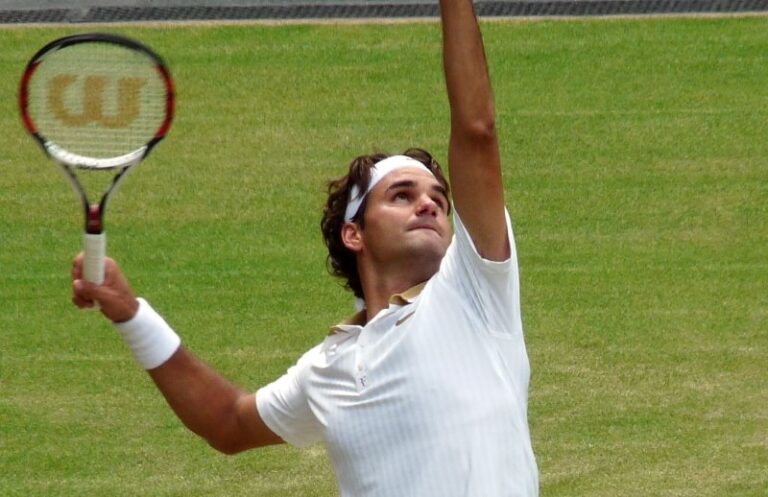
Grass is the original surface of tennis and remains the least common at professional level.
Unlike clay, where rallies are longer and physical endurance becomes decisive, grass courts produce faster conditions and lower ball bounces. Points are generally shorter, rewarding players who can take the initiative early in rallies.
Success on grass often depends on:
- Effective serving;
- Aggressive court positioning;
- Strong net play;
- Quick reactions and movement;
- Ability to adapt to unpredictable bounces.
Because the grass season is so short, players have limited time to adjust from the clay-court game developed during the previous months.
The transition from clay to grass
The move from Roland Garros to the grass season is considered one of the most challenging transitions in tennis.
Clay rewards patience, defensive skills and long rallies. Grass requires the opposite approach: attacking tennis, shorter points and immediate adaptation.
Many players need time to adjust their movement and shot selection, while others naturally thrive on the faster surface.
This contrast is one of the reasons why the grass season often produces surprising results and unexpected contenders.
The main ATP grass tournaments
Although relatively short, the grass season includes some of the most historic events in tennis.
ATP 250 events
The first tournaments immediately following Roland Garros typically include:
- Stuttgart Open;
- Libéma Open (s-Hertogenbosch).
These events provide players with their first opportunity to adapt to grass conditions.
ATP 500 events
The grass swing continues with prestigious ATP 500 tournaments:
- Queen’s Club Championships (London);
- Halle Open (Germany).
Both events regularly attract many of the world’s top players and are considered the most important Wimbledon preparation tournaments.
Wimbledon
The grass season culminates with Wimbledon, the oldest and most prestigious tournament in tennis.
As the third Grand Slam of the season, Wimbledon represents the ultimate objective of the grass swing and one of the most coveted titles in sport.
The players who traditionally excel on grass
Grass courts have historically rewarded a specific type of player.
Some of the greatest grass-court champions include:
- Roger Federer;
- Novak Djokovic;
- Pete Sampras;
- John McEnroe;
- Boris Becker.
In the modern ATP Tour, players with strong serves, aggressive baseline games and excellent movement tend to adapt most successfully to grass conditions.
However, contemporary grass courts generally play slower than in previous decades, allowing a wider range of playing styles to compete effectively.
Why the grass season matters
Despite lasting only a few weeks, the grass swing plays a crucial role in the ATP calendar.
Strong results can:
- Generate momentum heading into Wimbledon;
- Provide valuable ATP ranking points;
- Improve seeding positions;
- Increase confidence for the second half of the season.
For many players, a successful grass season can define an entire year.
Grass courts compared to other surfaces
Each tennis surface presents unique challenges.
Compared to clay courts:
- Faster pace;
- Lower bounce;
- Shorter rallies.
Compared to hard courts:
- More unpredictable bounce;
- Greater importance of serve and return;
- Increased emphasis on attacking tennis.
These differences make grass arguably the most specialised surface in professional tennis.
The modern grass-court season
While grass courts occupy a smaller portion of the calendar than clay or hard courts, they continue to hold enormous prestige.
Modern tournaments have improved court preparation and consistency while preserving the traditions that make grass-court tennis unique. The result is a surface that continues to reward versatility and adaptation.
For players hoping to succeed at Wimbledon, mastering the grass season remains an essential part of the journey.
Conclusion
The grass season may be the shortest segment of the ATP calendar, but its importance extends far beyond its duration.
With unique playing conditions, historic tournaments and Wimbledon at its centre, the grass swing provides one of the most distinctive challenges in professional tennis.
Understanding how grass courts differ from other surfaces helps explain why success on this surface remains one of the sport’s greatest achievements.